
BIOPURE® HS5 · HYDRO SOFT
Softer feel.
Greater comfort.
A coconut oil-based hydrophilic softener that combines a soft hand, silk-like smoothness, and moisture wicking for comfortable, functional textiles.
72%
Bio-based content
30 Washes
of Performance Durability
3 Benefits
Softness · Smoothness · Wicking
COMFORT THAT PEOPLE FEEL
Softness that
works with moisture.
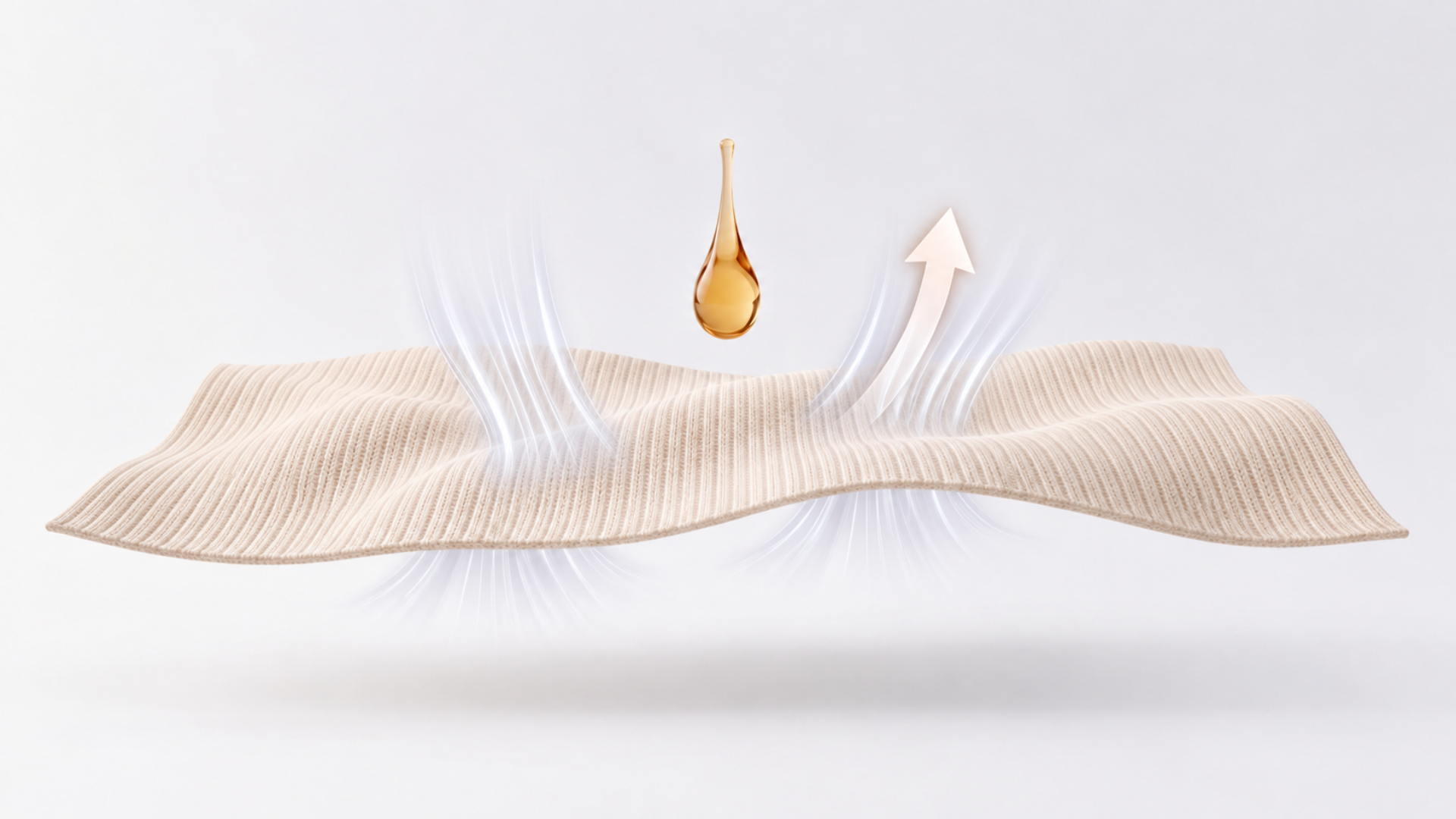
Enhance the feel of the fabric while improving its affinity for moisture. HS5 brings softness and hydrophilic functionality together in one textile finish.
01
Penetrating softness
Imparts a soft, supple hand across a wide range of fabric constructions and fiber types.
02
Silk-like smoothness
Creates a smooth, silk-like surface that enhances comfort against the skin.
03
Moisture wicking
Supports wetting and capillary moisture transport while maintaining fabric breathability.
04
Anti-static support
Helps improve anti-static performance on polyester and nylon, alongside softness and wicking.
Evaluate wicking with AATCC TM197 and compare hand feel with an untreated control. Assess softness, smoothness, and wicking performance after laundering on the intended fabric.
HYDROPHILIC BY DESIGN
Comfort engineered
into the textile.
HS5 uses functionalized coconut oil-derived fatty acids to interact with textile fibers. Its slightly cationic nature supports fiber affinity, combining a soft hand with hydrophilic functionality.
01 Bond
The functionalized chemistry interacts with the textile fibers to establish durable treatment. Bonding behavior depends on the fiber and application conditions.
02 Soften
The treatment reduces friction between fibers and improves surface feel, imparting softness and silk-like smoothness.
03 Wick
Hydrophilic properties support wetting and capillary movement of moisture through spaces between fibers.
DESIGNED FOR YOUR PROCESS
Softness that fits production.
Apply HS5 by padding, exhaust, or spray finishing. Select conditions for your fabric, equipment, and desired balance of hand feel and wicking performance.
Use a finishing bath and controlled wet pickup to distribute HS5 uniformly. Confirm add-on, drying conditions, and the desired hand feel on the intended fabric.
Evaluate HS5 in an exhaust process suited to the fiber and equipment. Confirm bath compatibility, uptake, softness, and moisture performance before scaling up.
Use controlled spray coverage to achieve a consistent add-on. Verify treatment uniformity, hand feel, wicking, and performance after laundering.
Confirm compatibility with the finishing bath, add-on, drying conditions, and laundering performance through fabric trials. Request application guidance before production.
RENEWABLE ORIGINS. CONSIDERED DESIGN.
Renewable origins.
Considered chemistry.
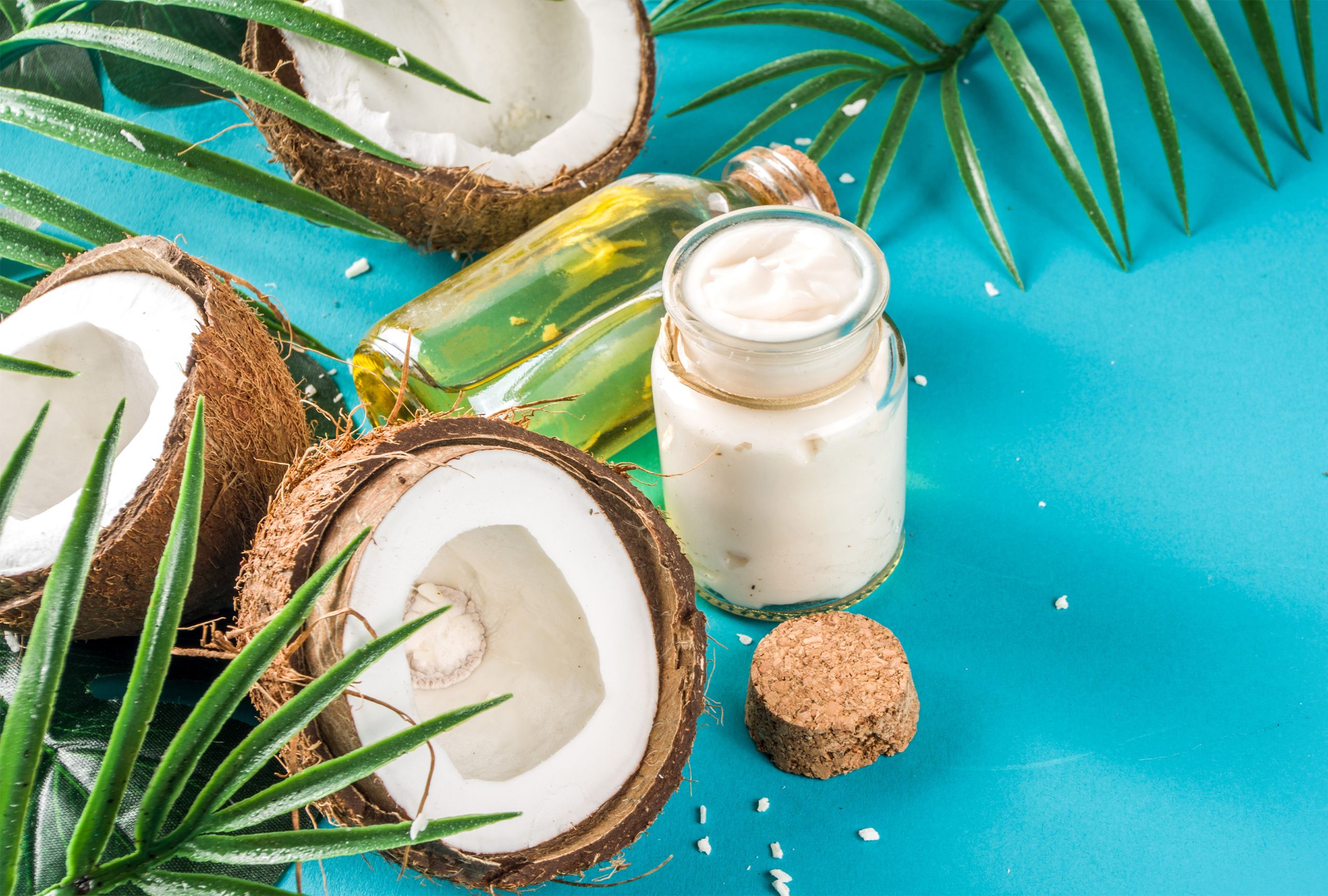
HS5 uses coconut oil as a renewable feedstock. Coconut trees grown in Southern India provide raw material for functional textile chemistry.
72% bio-based content
Bio-based content measured using ASTM D6866, as reported in the HS5 product sheet.
Renewable energy
Manufacturing uses renewable wind and solar energy, supported by equipment designed for process efficiency.
HS5 contains no silicone, cyclic siloxanes, or formaldehyde. Its softness and hydrophilic performance are designed to remain effective through 30 home washes.
A CLOSER LOOK
Your questions, answered.
What does BIOPURE® HS5 provide?
HS5 imparts softness, silk-like smoothness, and moisture wicking. It also supports anti-static performance on polyester and nylon while maintaining fabric breathability.
What makes HS5 a hydrophilic softener?
Its chemistry maintains an affinity for water while softening the textile. This supports wetting and moisture transport through the fabric.
How durable is the performance?
The product information specifies softness and hydrophilic performance through 30 home washes. Validate the results on your fabric under the intended application and laundering conditions.
Which textiles can use HS5?
HS5 can be evaluated on cotton, polyester, nylon, wool, hemp, linen, manmade cellulosic fibers, recycled materials, and blends. Trials establish suitability and the desired hand feel.
How should performance be verified?
Use AATCC TM197 to assess wicking, compare hand feel with an untreated control, and repeat evaluation after laundering. Confirm the final balance of softness, smoothness, and moisture performance.
LET’S DEVELOP WHAT’S NEXT
Bring softness and comfort
to your next textile.
Talk with our team about BIOPURE® HS5, request a sample, conduct a trial, or discuss a project.