
Home / Performance Claims / Water Repellent
PERFORMANCE CLAIMS · PFAS-FREE WATER REPELLENT
Water Repellent
Helps water bead and shed from textile surfaces, reducing wetting while preserving the fabric’s breathability, softness, and flexibility.
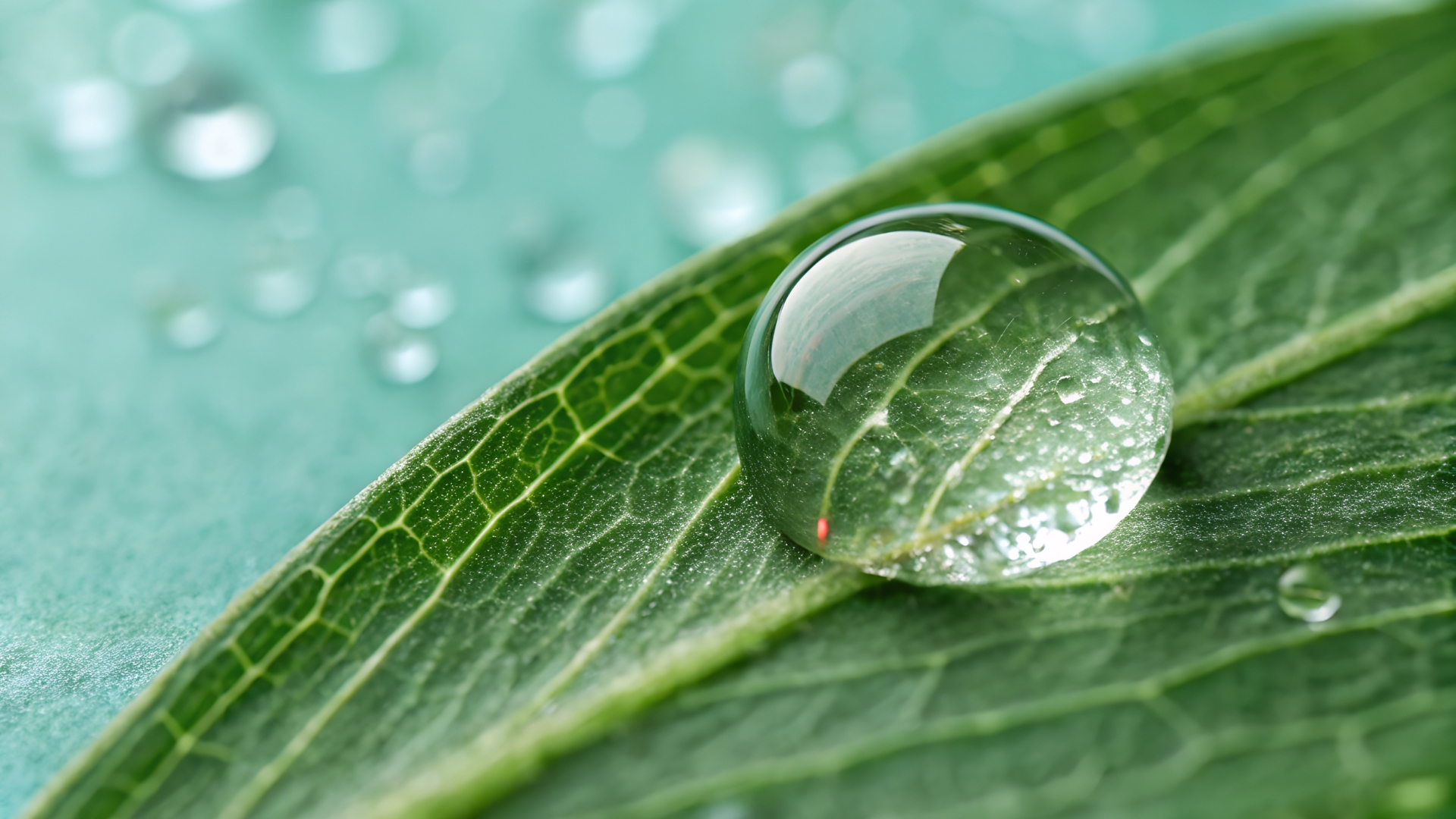
Repel Water
Encourage beading and surface water shedding
Preserve Comfort
Retain breathability, hand feel, and drape
PFAS-Free
Provide repellency without fluorinated chemistry
PROTECTION AT THE FABRIC SURFACE
Repel water.
Preserve fabric comfort.
Water-repellent finishing helps textiles handle exposure to rain, splashes, and water-based spills. The right finish combines this protection with the material qualities needed for comfortable, repeated use.
01
Reduced surface wetting
Limit water spreading across the outer fabric during rain, splashes, and brief contact with water.
02
Breathability
Preserve the movement of air and water vapor through the material with a finish designed for its intended use.
03
Hand feel and drape
Maintain the textile’s softness, flexibility, and natural movement while adding water-repellent function.
04
Durable repellency
Retain the surface function through use and laundering with chemistry and application suited to the textile.
HYDROPHOBIC CHEMISTRY IN ACTION
Change how water
meets the textile.
A water-repellent finish changes the interaction between water and the fibers at the fabric surface. It encourages droplets to bead and shed rather than spread into the material.
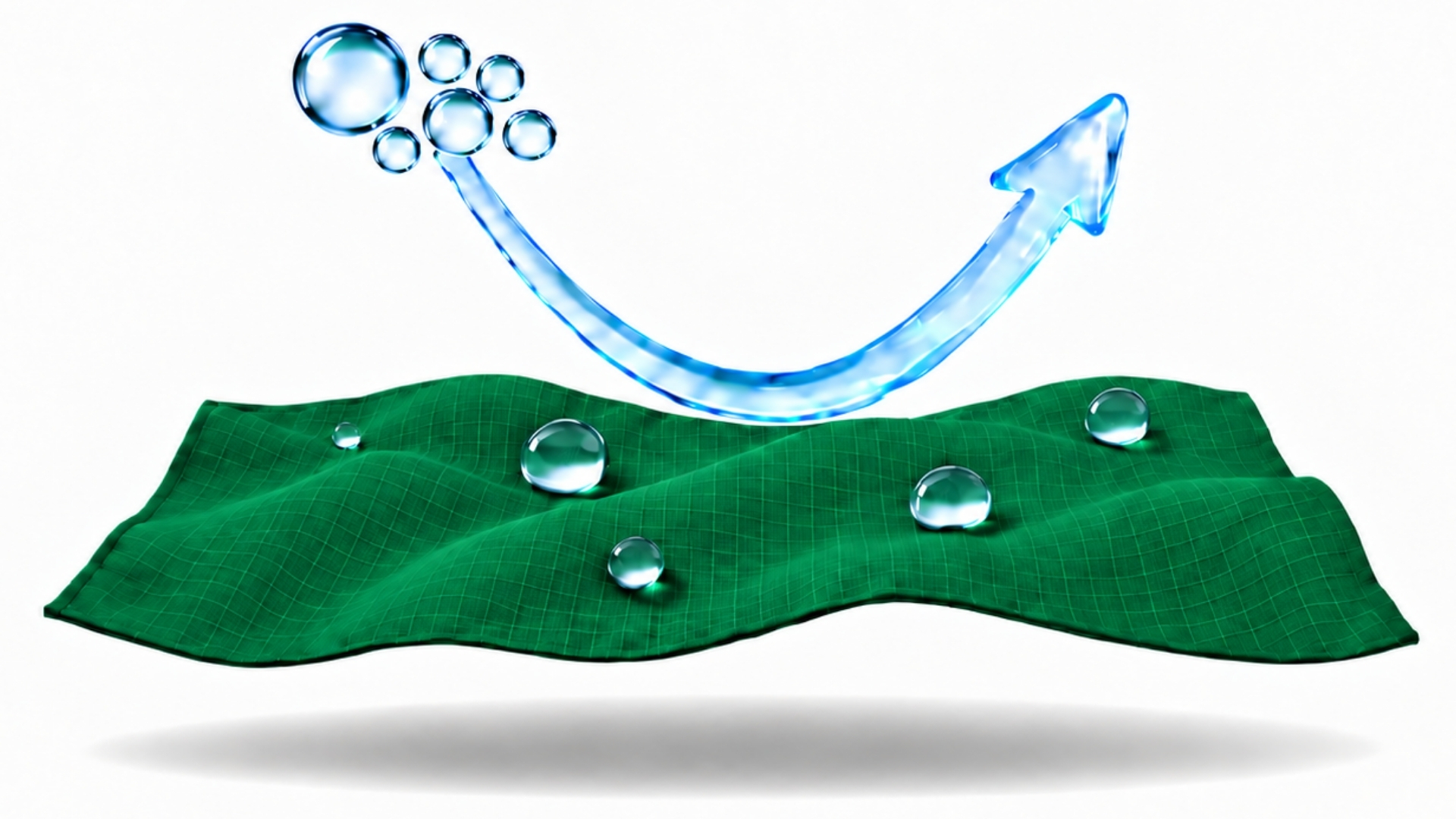
How the finish repels water
Surface chemistry and durable application work together to reduce wetting.
Hydrophobic surface chemistry
The finish presents water-repellent components at the fiber surface. These components reduce the surface’s tendency to be wetted, limiting how readily water spreads across the treated textile.
Beading and water shedding
Water’s surface tension draws it into droplets. A hydrophobic surface limits their spreading, while low adhesion allows gravity and movement to remove them. Fabric texture and droplet size also influence whether water beads remain or roll away.
Durable attachment
The repellent must remain distributed across the fibers to keep working through use and care. Compatibility with the fiber, uniform application, and suitable curing help establish and retain that surface treatment.
The finish and construction work together. Fiber composition, yarn structure, fabric density, and other finishes influence wetting and the routes water can take through a textile. These material properties help determine the performance of the treated fabric.
TESTING THE WATER-REPELLENT FUNCTION
Assess surface repellency.
Measure performance through care.
A spray rating describes surface wetting. Rain-shower testing adds information about water uptake during exposure. Together with defined laundering conditions, these assessments help establish the finish’s performance on the intended fabric.
Water Repellency: Spray Test
Evaluates resistance to surface wetting after a controlled spray. The size and pattern of the wetted area are compared with a standard visual scale to describe the fabric’s water repellency.
Water Repellency: Bundesmann Rain-Shower Test
Exposes fabric specimens to an artificial rain shower under defined conditions. The assessment includes visual wetting and water absorption, with water passing through the specimen collected and recorded.
Repeat the relevant assessment after the specified care cycle. Report the fabric, laundering conditions, and any heat reactivation alongside the result.
AVAILABLE AGS TECHNOLOGIES
PFAS-free water-repellent
technologies from AGS.
Explore PalmProof finishes with different bio-based content profiles. AGS can help match the technology to your fiber, fabric construction, and finishing process.
Water repellent
PalmProof™ BioWR-563
Technology details ↗
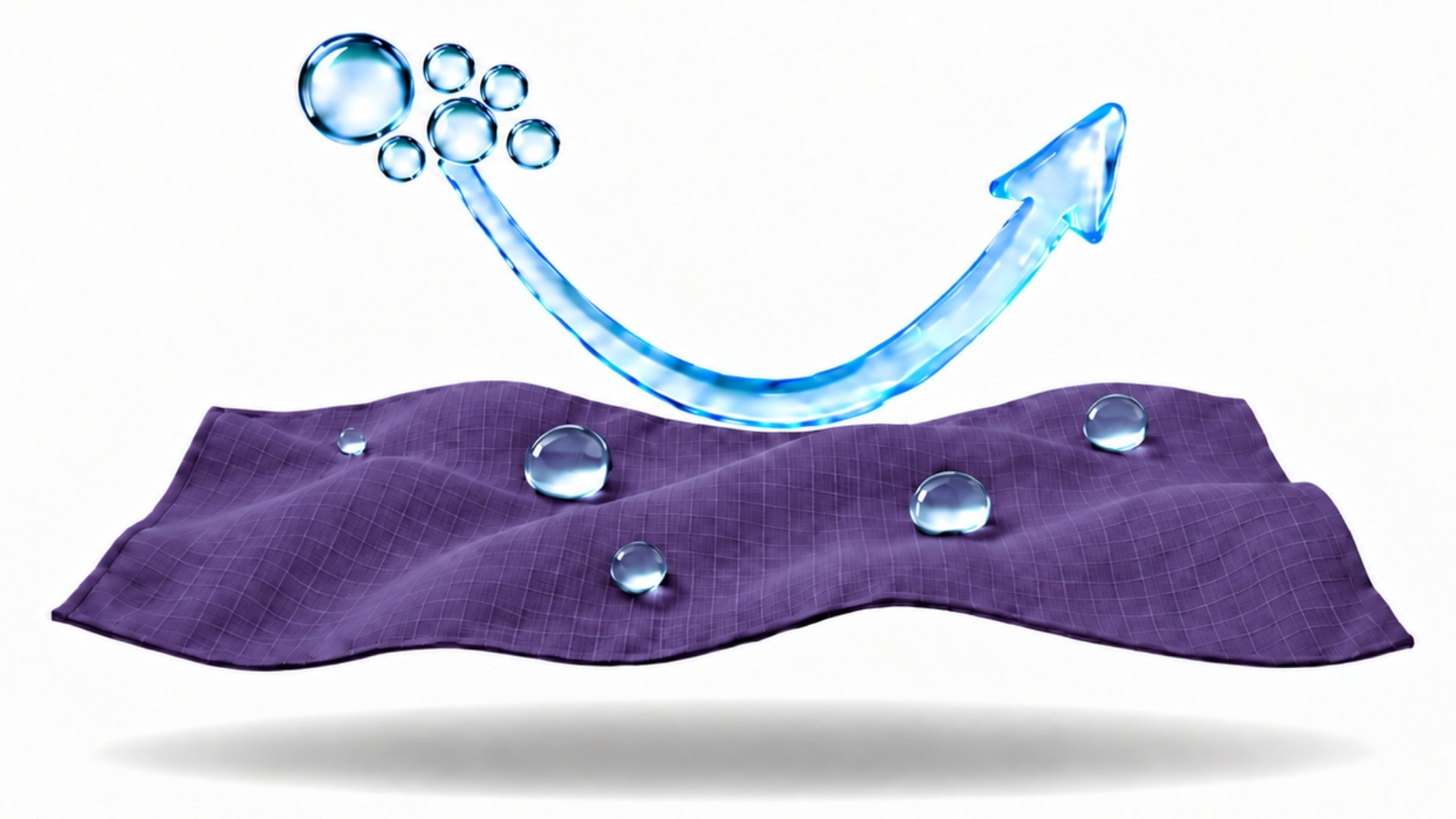
Water repellent
PalmProof™ BioWR-710
Technology details ↗
A CLOSER LOOK
Your questions, answered.
Does water repellency make a textile waterproof?
Water repellency limits surface wetting. Waterproof performance concerns resistance to water passing through a material under specified conditions. Fabric construction, coatings or membranes, and the seams and closures of a finished article contribute to that barrier.
Does a PFAS-free water repellent also repel oil?
Water and oils have different wetting behavior. Water beading does not establish oil repellency. A textile intended to resist oils needs a finish and performance assessment suited to those liquids.
Can cleaning restore water beading?
Dirt, oils, and detergent residues can interfere with the treated surface. Cleaning may restore beading when the finish remains intact. Heat reactivation is appropriate only when specified for the treatment and finished textile; it cannot replace finish lost through wear.
Which fibers can use PalmProof?
AGS identifies cotton, polyester, nylon, and their blends for PalmProof development. The fiber and fabric construction guide the formulation, application conditions, and performance achievable on the material.
Can the finish use existing mill equipment?
PalmProof supports padding and exhaust application. The process must provide suitable treatment uptake, distribution, and curing for the substrate. AGS can support fabric trials and process development using the mill’s available equipment.
Develop PFAS-free
water-repellent textiles.
Tell us about your fabric, intended use, and water-repellency requirements. AGS can help select a suitable finish, develop the application process, and assess performance as you move toward production.