
Home / Performance Claims / Softeners
PERFORMANCE CLAIMS · SOFTNESS & FABRIC FEEL
Softeners
Softeners enhance how textiles feel and move through soft touch, surface smoothness, drape, and volume.
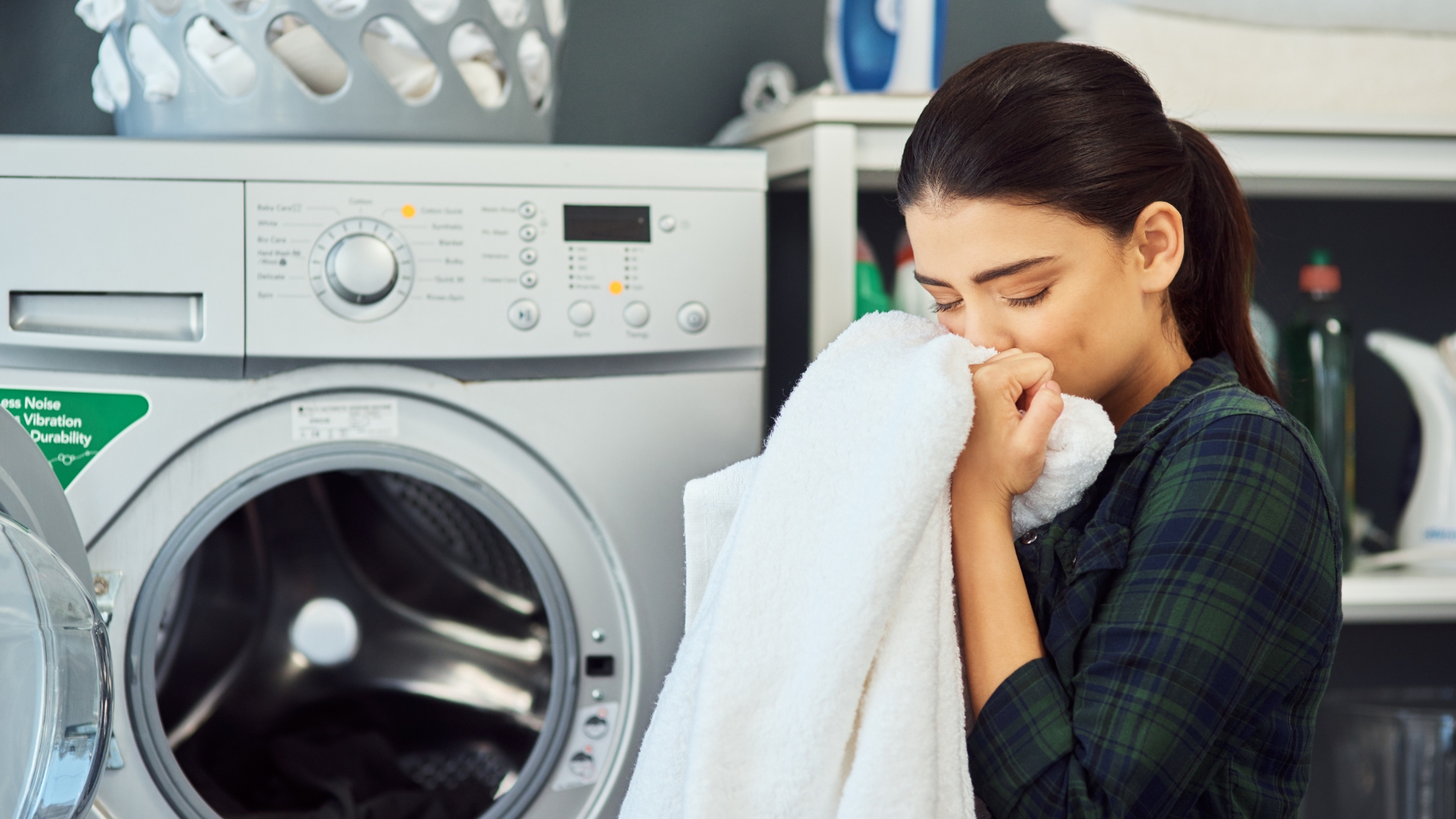
Feel the difference
A softer hand and smoother surface
Shape the fabric
Drape and fullness suited to the product
Retain function
Combine fabric feel with lasting performance
THE QUALITIES THAT DEFINE FABRIC FEEL
Softness you feel.
Comfort in every movement.
Fabric feel brings several qualities together. A flowing shirt, a smooth bedsheet, and a full, cushioned towel need different balances of touch, movement, and body.
01
Soft touch
A supple, yielding feel when the fabric is pressed, squeezed, or handled, reducing the impression of harshness and stiffness.
02
Surface smoothness
A smoother glide across the fabric face, with less surface drag against the hand or skin.
03
Drape
The way a fabric hangs, folds, and follows movement, shaping the appearance and fit of the finished article.
04
Volume
The fullness, loft, and body perceived when handling the textile, contributing to a plush or substantial feel.
HOW SOFTENERS SHAPE FABRIC FEEL
Change fiber interactions.
Refine the finished hand.
Softeners deposit functional chemistry on accessible fiber surfaces. By modifying friction and fiber movement, they influence how a textile responds to touch, bending, and compression.
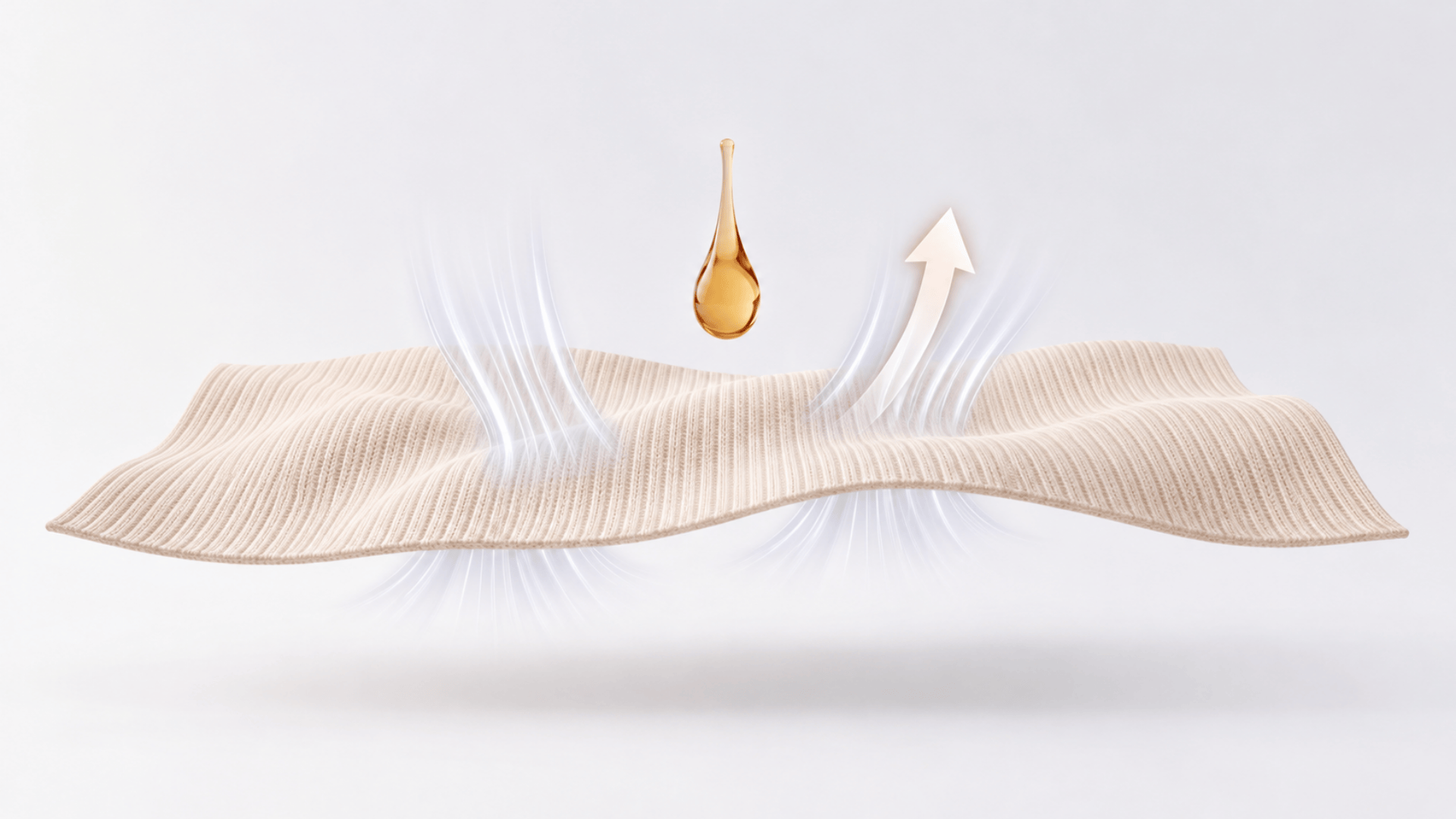
From fiber movement to fabric feel
The finish works within the structure of the material. These interactions influence different aspects of the finished hand.
Soft touch: easier movement within the textile
Lubrication reduces resistance where fibers and yarns move against one another. This can make the fabric easier to flex and compress, creating a more supple feel in the hand.
Surface smoothness: less friction at the face
Softening chemistry changes friction at exposed fiber surfaces, improving glide and reducing a harsh or dragging sensation. Fiber ends, surface hairiness, and fabric texture still influence the result.
Drape: how the fabric bends and falls
Reducing internal friction can help yarns move and the fabric bend more readily. Drape also depends on fabric weight, bending and shear behavior, and construction. A smooth surface alone does not establish a fluid drape.
Volume: fullness without unwanted stiffness
Softening can help fibers and pile move more freely, supporting a fuller, more pliable hand. The available loft comes largely from fiber crimp, yarn bulk, loops, or pile. Application and mechanical finishing must preserve that structure rather than flatten it.
Design for the intended feel. Fiber fineness, yarn twist, weave or knit structure, pile height, and mechanical finishing establish the starting character. Softener type, add-on, and application conditions then refine it. A finish can support several qualities, but the balance depends on the material.
Renewable chemistry.
Purposeful fabric feel.
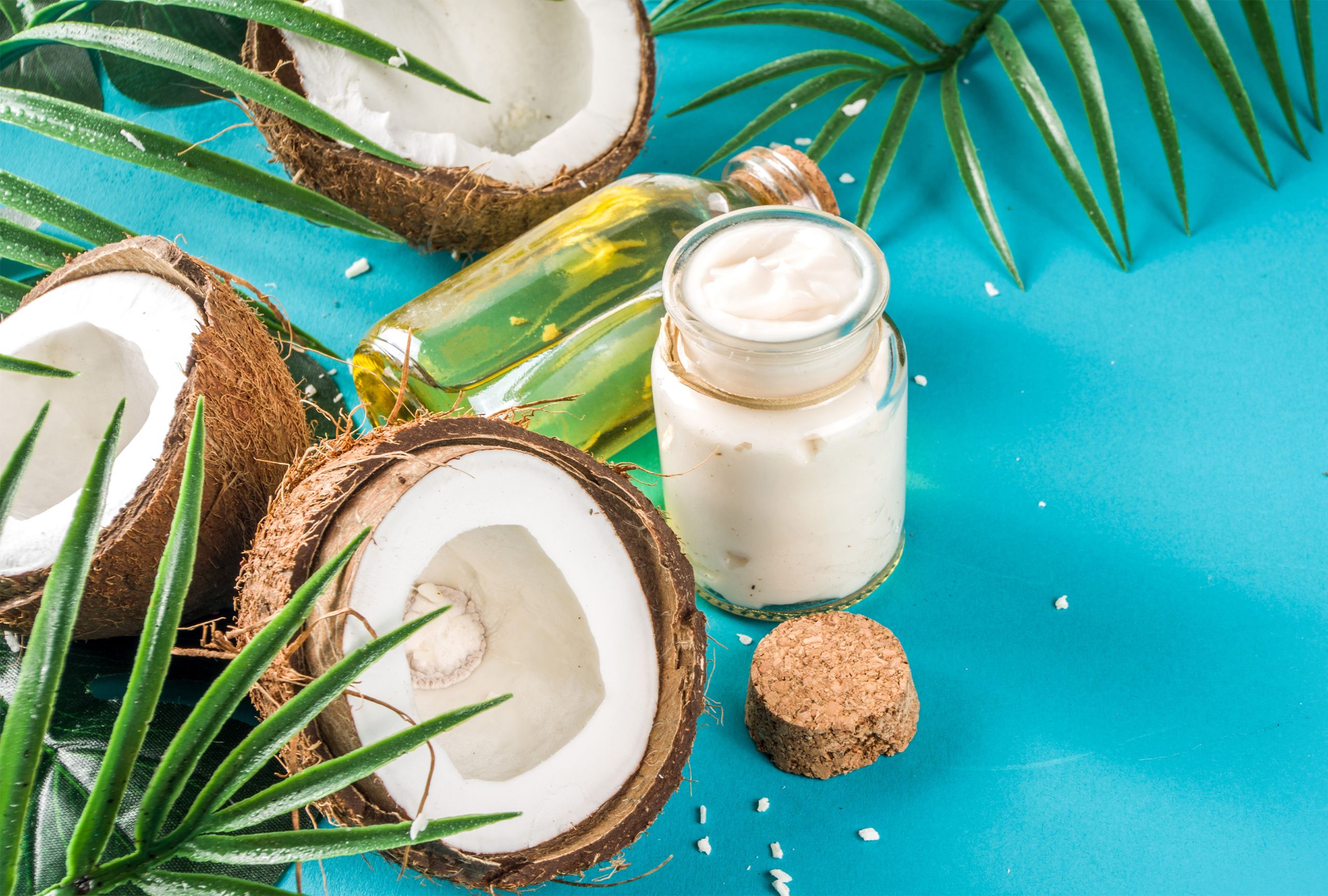
AGS develops coconut oil-based softeners that combine functionalized fatty acid chemistry with durable textile performance. Molecular design determines the balance of softening, fiber affinity, and additional functions.
More than lubrication
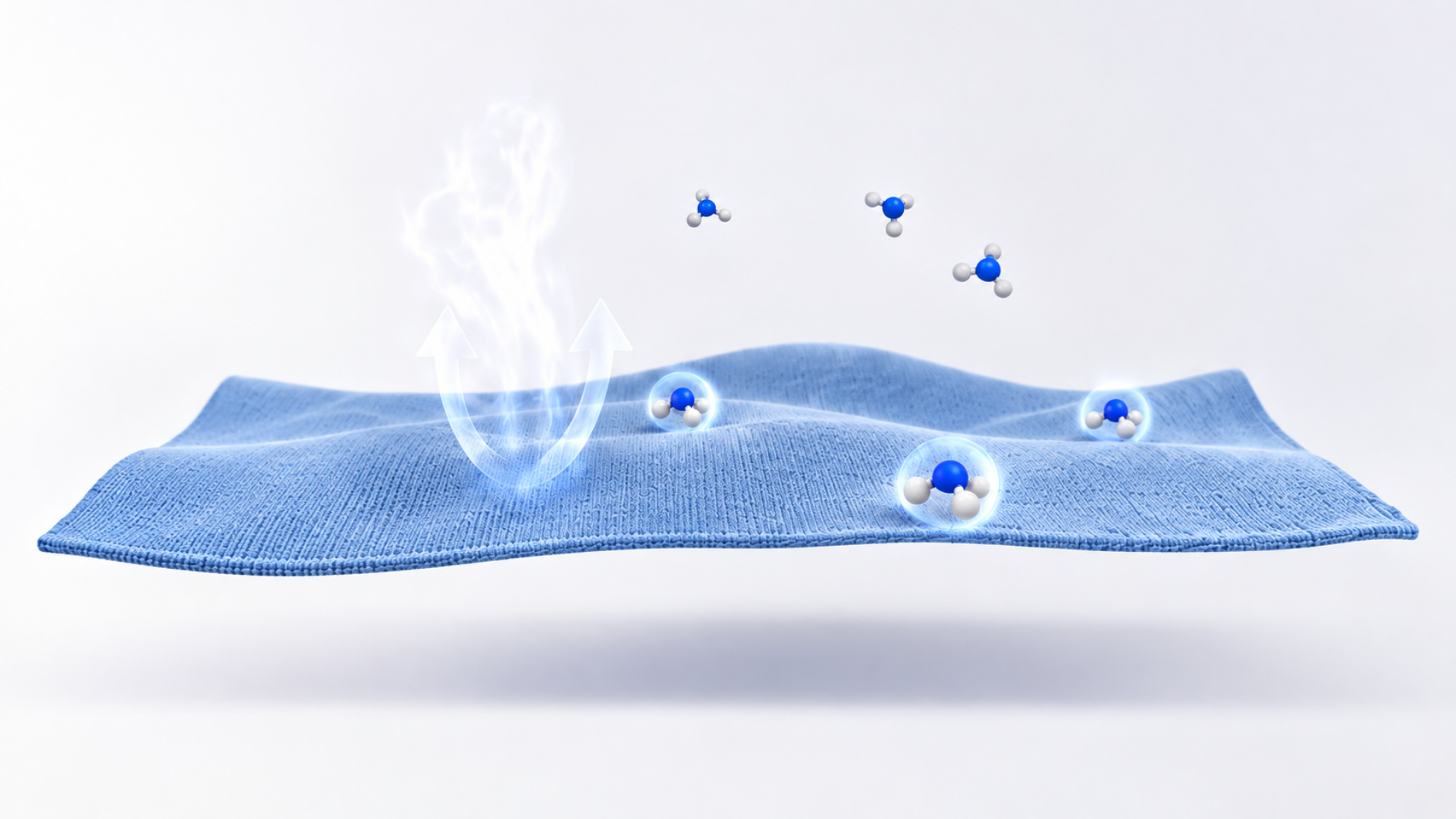
Hydrophilic softeners support wetting and moisture movement alongside a soft hand. BIOPURE HS5 combines these functions, while BIOPURE FS7 adds non-biocidal odor adsorption. Select the chemistry for the complete performance required.
Coconut-derived materials
Coconut oil provides a renewable feedstock for these softening systems. HS5 contains 72% bio-based content and FS7 contains 69%, as reported in their product information. Both use siloxane-free and formaldehyde-free formulations.
AVAILABLE AGS TECHNOLOGIES
Softening technologies
with added functionality.
Choose hydrophilic softness with BIOPURE HS5, or add odor adsorption with BIOPURE FS7. AGS can help develop the required fabric feel alongside moisture performance and durability.
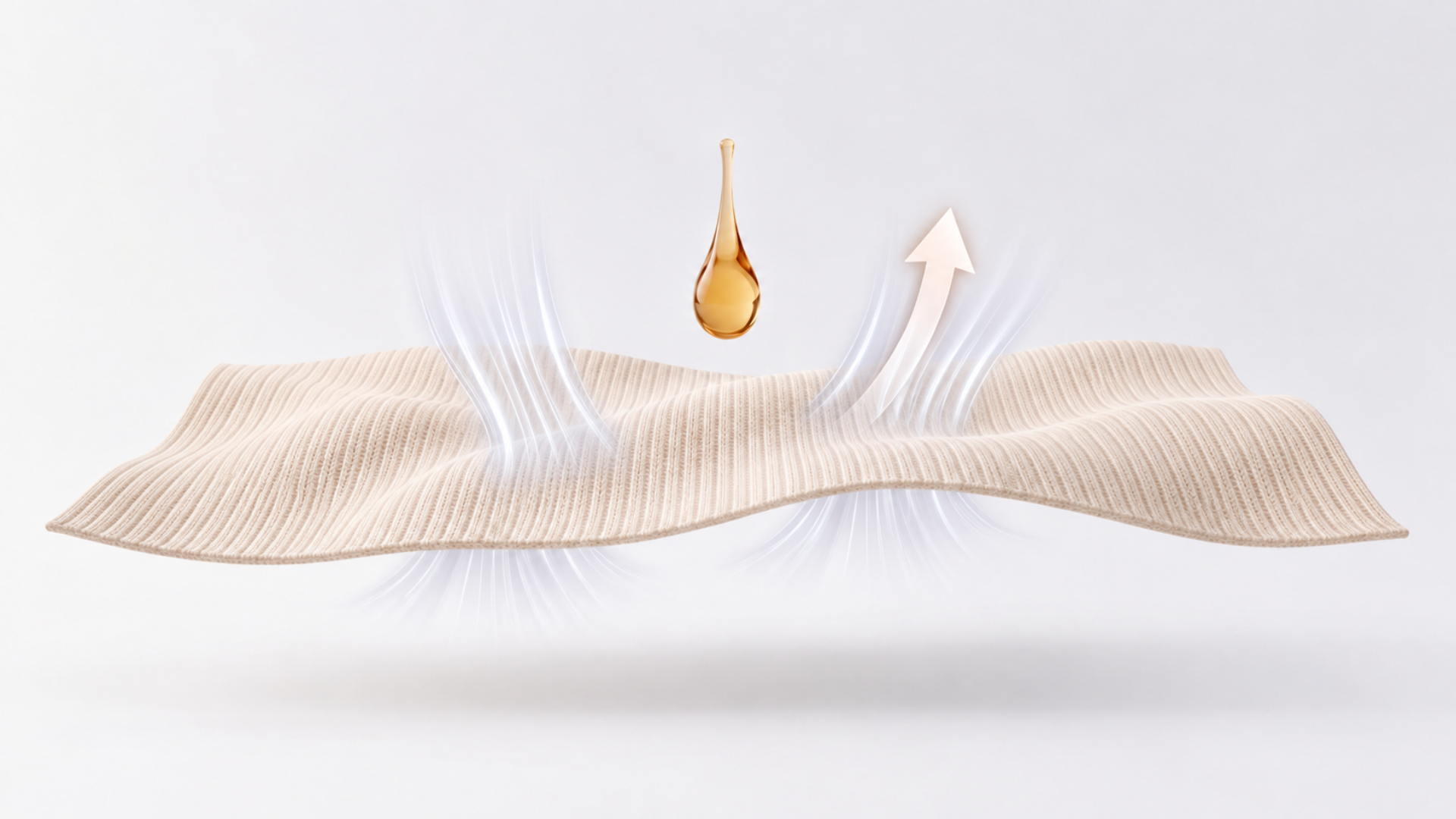
Hydrophilic softener
BIOPURE® HS5
Technology details ↗
Odor Control Softener
BIOPURE® FS7
Technology details ↗
A CLOSER LOOK
Your questions, answered.
Is a smooth fabric always soft?
A smooth fabric offers little surface drag, but it can still feel stiff or firm when squeezed. Soft touch depends on how the textile yields and moves. The two qualities contribute differently to the hand.
Can a fabric have both fluid drape and volume?
Yes, when the material is designed for that balance. A bulky knit can remain supple, while a lightweight woven fabric may feel smooth but have little fullness. Fiber, yarn, construction, and finishing determine how these qualities combine.
Do all softeners support moisture wicking?
No. Softening and hydrophilicity are separate functions. Hydrophilic softeners such as BIOPURE HS5 and FS7 combine a softer hand with an affinity for water that supports wetting and capillary moisture movement.
How is the desired hand developed at the mill?
Establish a reference fabric and define the required touch, smoothness, drape, and fullness. Evaluate softener chemistry, add-on, application, and mechanical finishing together. HS5 and FS7 support padding, exhaust, and spray application.
How long does the softening performance last?
AGS specifies performance through 30 home washes for HS5 and 40 for FS7. Fabric composition, application, and care affect the finished result. Assess the relevant hand and functional properties after the intended laundering sequence.
Develop the feel
your product needs.
Tell us about your fabric, intended use, and the balance of soft touch, surface smoothness, drape, and volume you want to achieve. AGS can help select the chemistry and refine the finishing process.